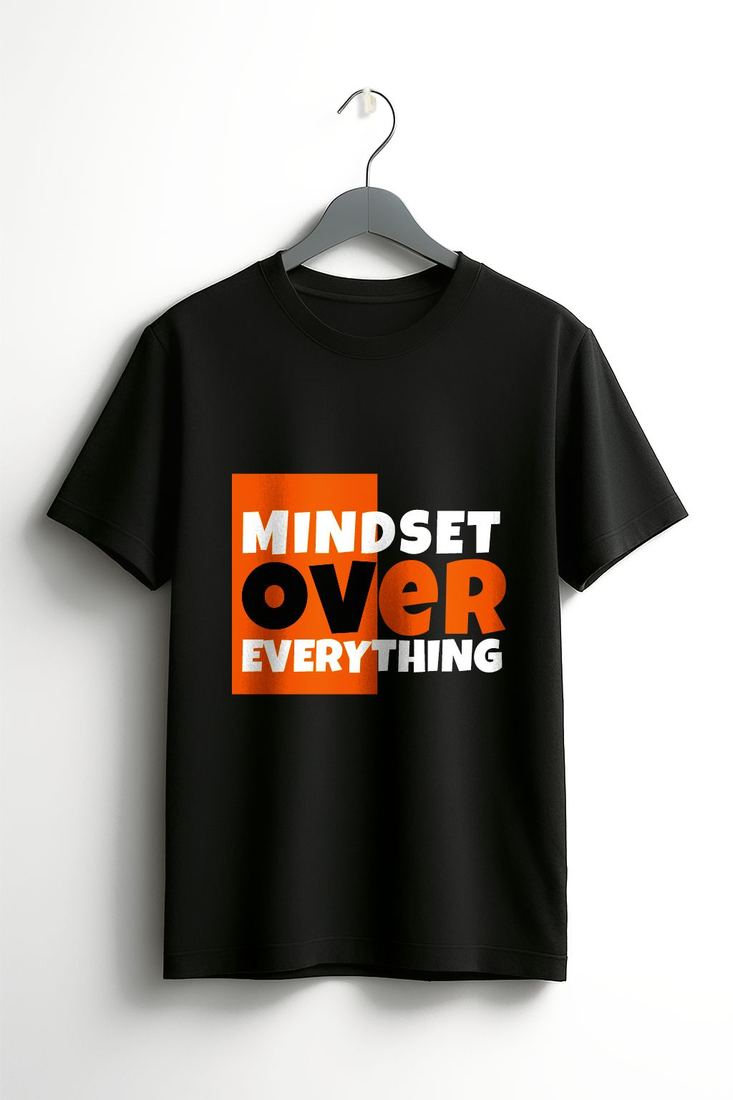
Most people ordering custom t-shirts in Lagos do not know there are four different ways to put a design on fabric, and that picking the wrong one is why some shirts crack after three washes. Here is the plain version.
The four methods at a glance
| Method | Best for | Weak point |
|---|---|---|
| Screen printing | Large quantities, simple designs | Costly setup for small runs |
| DTF (direct to film) | Small runs, full colour, any fabric | Slight film feel on the print |
| DTG (direct to garment) | Photographic designs on cotton | Weak on dark or synthetic fabric |
| Vinyl (heat transfer) | Names, numbers, simple shapes | Poor for detailed or multi-colour art |
Screen printing
The traditional method. A separate stencil screen is made for each colour, and ink is pushed through it onto the fabric.
Strengths: the most durable result by a clear margin. Colours are solid and vivid. Per-shirt cost falls dramatically with volume, making it the cheapest option for large orders.
Weaknesses: every colour needs its own screen, so setup cost scales with design complexity. A four-colour design on twenty shirts is poor value. Gradients and photographs do not translate well.
Use it when: you are ordering 50 or more shirts with a design of one to three flat colours. Staff uniforms, event shirts, team kits.
DTF — direct to film
The design is printed onto a special film, powdered with adhesive, then heat pressed onto the garment. It has become the default for small and medium orders in Lagos, for good reason.
Strengths: no setup cost, so ten shirts is viable. Handles full colour, gradients and photographs. Works on cotton, polyester, blends, and on dark fabric without difficulty. Durable when properly applied.
Weaknesses: the print sits on top of the fabric, so there is a slight film feel — noticeable on large solid areas. Not quite as long-lived as good screen printing under heavy washing.
Use it when: you need between 10 and 50 shirts, or your design is complex or multi-coloured. This is the right answer for most small business orders.
DTG — direct to garment
Effectively an inkjet printer for fabric. Ink is sprayed directly into the fibres.
Strengths: the softest result — you can barely feel the print. Excellent for detailed and photographic artwork. No setup cost.
Weaknesses: works properly on cotton and struggles with polyester and blends. Dark garments need a white underbase which adds cost and time. Colours are less punchy than screen printing.
Use it when: you want premium-feeling shirts with detailed artwork on light-coloured 100% cotton.
Vinyl — heat transfer
Coloured vinyl is cut into shapes and heat pressed onto the garment.
Strengths: very durable. Sharp, clean edges. Specialty finishes like reflective, metallic and flock are available. Ideal for personalisation — individual names and numbers.
Weaknesses: each colour is a separate layer applied by hand, so multi-colour designs get expensive and bulky fast. No gradients, no photographs.
Use it when: you need names and numbers on sports kits, or a bold single-colour logo.
Choosing quickly
- Under 20 shirts, any design: DTF
- Over 50 shirts, simple design: screen printing
- Photographic design, light cotton shirts: DTG
- Individual names and numbers: vinyl
- Dark polyester or sportswear: DTF
What about the shirt itself?
The printing method gets all the attention, but garment quality decides whether people actually wear it. Look for 180–220gsm cotton for everyday wear, and heavier 240gsm+ for a premium feel. A brilliant print on a thin, shapeless shirt is a wasted budget.
Before you commit to a large order: ask for a single sample. Wash it three times. If the print survives that, it will survive normal use.
Cost and minimums in Lagos
Custom t-shirts in Lagos start from around ₦6,000 per unit with a typical minimum order of 10. Price varies with garment quality, print method, number of print positions (front only versus front and back), and quantity.
As with all printing, per-unit cost falls with volume — sharply so with screen printing, more gently with DTF. Our printing cost guide covers why.
Preparing your artwork
- Vector files (AI, EPS, PDF, SVG) are ideal, especially for screen printing and vinyl
- For DTF and DTG, 300dpi PNG with a transparent background works well
- State the print size in centimetres — a logo that looks right on screen may be too small on a chest
- Confirm print positions: front, back, sleeve, or a combination
Common questions
Which t-shirt printing method lasts longest?
Screen printing is the most durable overall, followed closely by vinyl. DTF is durable when properly applied. DTG is the softest but generally the least hard-wearing.
What is the minimum order for custom t-shirts in Lagos?
Typically 10 units. DTF and vinyl make small runs practical because they have no setup cost, unlike screen printing which needs volume to be economical.
Can you print on dark or coloured t-shirts?
Yes. DTF handles dark garments well without difficulty. Screen printing uses an underbase layer. DTG requires a white underbase on dark fabric, which adds cost and time.
How much does custom t-shirt printing cost in Lagos?
From around 6,000 naira per unit, varying with garment quality, print method, number of print positions and order quantity.
Need a quote for your job?
Send us the details and we’ll come back with a firm price, no obligation.
WhatsApp Us Request a Quote