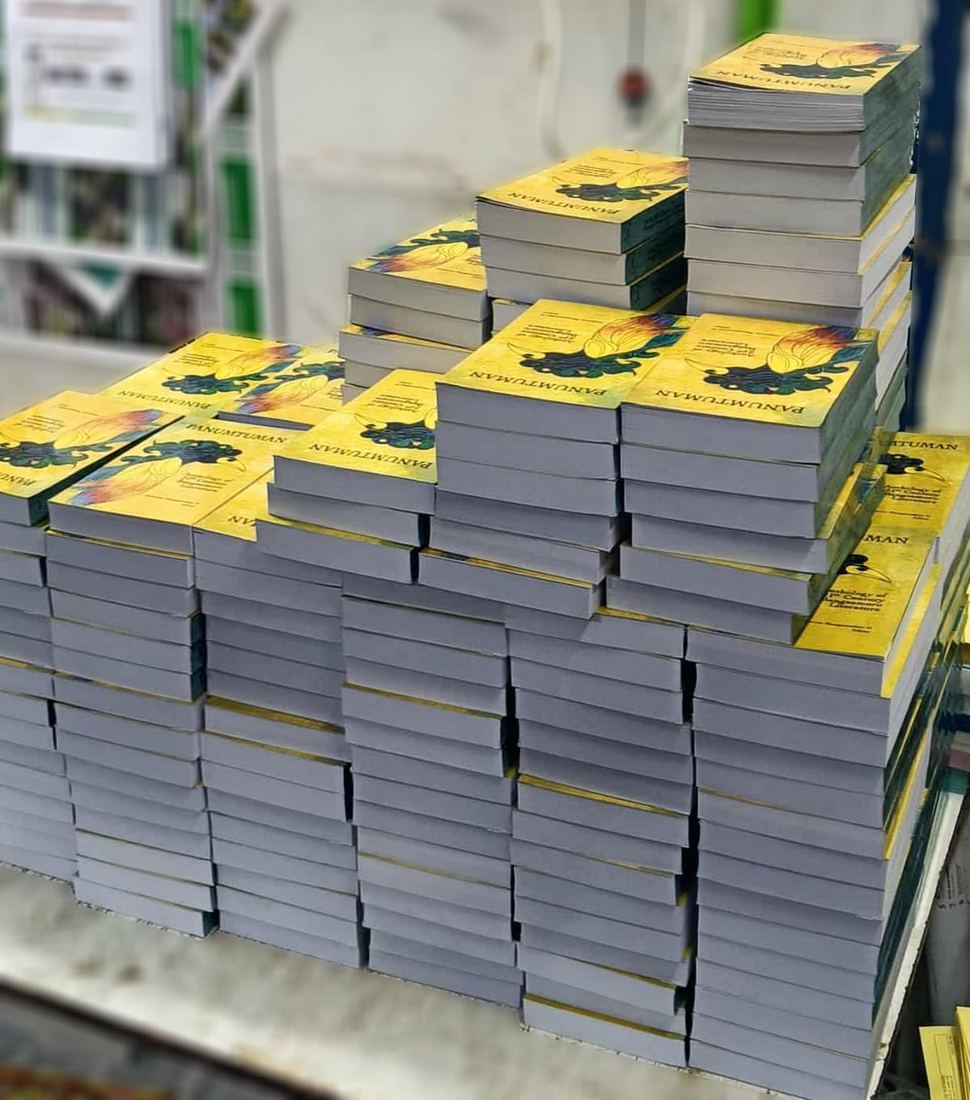
If you have ever bought printing in Lagos, there is a good chance your job passed through Shomolu — whether you knew it or not. This is a practical guide to how the area actually works, written from inside it.
Why Shomolu became Nigeria’s printing capital
Shomolu is not a glamorous part of Lagos. Walk down Shipeolu Street and what you notice first is noise, traffic, and the fact that nearly every building has a shop or workshop pushed into its ground floor. What you might not notice is that you are standing in the densest concentration of printing presses in West Africa.
The trade did not arrive by plan. It spread street by street — outward from Shipeolu toward Akeju, Fola Agoro and Bajulaiye — as printers took ground-floor rooms in residential buildings, then took the building. Today the area holds thousands of presses, from one-man digital shops to serious offset operations running commercial volumes.
That density is the whole point. Suppliers, machine engineers, paper merchants, finishers, binders and delivery riders all sit within a few streets of each other. A job that would take days of coordination elsewhere can move from press to lamination to cutting in an afternoon, because everything is within walking distance.
What this means for you as a buyer: printing bought in Shomolu is usually cheaper and faster than the same job bought elsewhere in Lagos — not because corners are cut, but because the supply chain is compressed into a few square kilometres.
The one thing outsiders get wrong
Many businesses assume that because Shomolu is full of printers, they should simply walk in and take the cheapest quote they find. This is where money gets wasted.
A large share of outfits advertising print in Lagos are not printing anything themselves. They take your job, walk it round the corner to an actual press, and add their margin. Nothing dishonest about it — brokering is a legitimate trade — but you should know whether you are talking to the person who will run your job or the person who will hand it to someone else.
It matters for three reasons: you pay more, you are one step further from the machine when something goes wrong, and your turnaround depends on somebody else’s queue.
How to tell the difference
- Ask what equipment they run. A printer will tell you plainly. A broker will change the subject.
- Ask to see finished work. Not a folder of images from the internet — actual jobs they produced.
- Ask where the job will be printed. A straight answer is a good sign either way.
Digital or offset: which does your job need?
Shomolu runs both, and picking the wrong one is the most common way to overpay.
| Digital | Offset | |
|---|---|---|
| Best for | Short runs, urgent jobs | Large volumes |
| Setup cost | Minimal | Plates must be made |
| Per-unit cost | Flat | Falls sharply with quantity |
| Speed | Same day possible | Several days |
| Rough tipping point | Under ~1,000 copies | Over ~1,000 copies |
The practical rule: if you need 200 flyers by tomorrow, digital. If you need 5,000 for a campaign next month, offset will cost you dramatically less per unit. Ask which one a printer intends to use, and why. Anyone who cannot explain the choice is guessing.
Comparing quotes without getting confused
Ask three Shomolu printers for the same job and you will get three different numbers, sometimes far apart. Usually the gap is not dishonesty — it is that you asked three people to quote three slightly different products.
Give every printer the same five details and the quotes become comparable:
- Exact quantity. Not “a few hundred”.
- Size. A5, A4, 85 × 54mm, whatever it is.
- Paper weight in gsm. This alone accounts for a large share of price differences.
- Finish. Matte, gloss, lamination, spot UV, none.
- Deadline. And whether it is real or flexible.
Then ask two follow-up questions that are easy to forget: is delivery included, and is design included? A quote that excludes both is not cheaper, it is just incomplete. Our guide to printing costs in Lagos goes through what moves each of these numbers.
What good work actually looks like
Print quality is easier to judge than people think. You do not need technical knowledge — you need to look closely at a sample.
- Colour consistency. Compare several copies from the same run. They should match. Drift across a run means the press was not properly controlled.
- Registration. Look at where colours meet. Edges should be crisp, not slightly doubled or fringed.
- Cutting. Stack the pieces and look at the edges. They should line up. Uneven trim is the most visible sign of a rushed job.
- Solid blacks. Hold a solid dark area to the light. It should be even, not patchy or streaked.
- Lamination. Bend a corner. It should not lift or bubble.
Before a large order: ask for a single sample or a short proof run. Any serious printer will agree. The cost of one sample is trivial next to the cost of reprinting a thousand.
Turnaround: what is realistic
Shomolu is fast, but “fast” still has a floor. Realistic standard timings from artwork approval:
| Job | Standard |
|---|---|
| Flyers, digital | 2 working days |
| Business cards | 3 working days |
| Roll-up banners | 2–3 working days |
| Custom t-shirts | 3–5 working days |
| Offset runs | 3–7 working days |
Note the phrase from artwork approval. This is where most disputes start. If your file needs fixing, or a proof sits unread in your WhatsApp for two days, that time is added before the press ever runs. We cover this in detail in our turnaround guide.
Getting your artwork right
The single cheapest thing you can do as a buyer is send a properly prepared file. It costs nothing and removes an entire category of delay and extra charge.
- 300dpi resolution
- CMYK colour, not RGB — RGB files shift colour when printed
- 3mm bleed on all edges
- Text kept at least 4mm inside the trim line
- Fonts outlined, or supplied with the file
- Print-ready PDF where possible
If you only have a logo pulled from WhatsApp or Instagram, expect it to need rebuilding at print resolution. That is design work, and it is reasonable for a printer to charge for it.
Buying print in Shomolu without being there
You do not need to walk the streets to buy from Shomolu. Most established printers now quote and take artwork over WhatsApp, and deliver across Lagos. The practical checklist for buying remotely:
- Confirm gsm, size, finish and quantity in writing before paying
- Ask for a proof and actually check it — spelling, phone numbers, colours
- Agree delivery cost and timing up front, not at the end
- Expect a deposit request. Materials are bought specifically for your job
- Keep the conversation in one place so there is a record
A note on where we sit
Abidexpro Printz is on Awofeso Street, a few minutes from Shipeolu, in the middle of all of this. We print business cards, flyers, roll-up banners, custom t-shirts, signage, packaging and stickers, and we deliver across Lagos.
We are not going to claim to be the only good printer in Shomolu. There are hundreds of capable people working here, some of them for decades. What we would say is this: whoever you buy from, ask the questions in this article. Buyers who ask them get better work, and printers who deserve the business do not mind answering.
Common questions
Why is Shomolu known for printing in Nigeria?
Shomolu holds the densest concentration of commercial printing presses in Nigeria, built up over decades as printers took over ground-floor spaces street by street. The clustering of presses, paper suppliers, finishers and engineers within a small area makes production faster and cheaper than elsewhere.
Is printing cheaper in Shomolu than other parts of Lagos?
Usually yes, particularly for volume work. The supply chain is compressed into a few streets, so material sourcing and finishing cost less in time and transport. The saving is largest on offset runs and bulk orders.
How do I know if a printer actually owns a press?
Ask what equipment they run and where your job will be printed. A printer answers directly. Many outfits advertising print are brokers who pass the job to an actual press and add a margin, which costs you more and puts you a step further from the machine.
Should I choose digital or offset printing?
Digital suits short runs and urgent jobs because there is no plate setup. Offset becomes far cheaper per unit above roughly 1,000 copies but takes longer. Ask your printer which they intend to use and why.
What should I check before approving a print sample?
Colour consistency across copies, sharp registration where colours meet, even trim when pieces are stacked, solid dark areas without patchiness, and lamination that does not lift at the corners.
Can I order printing from Shomolu without visiting?
Yes. Most established printers quote and take artwork over WhatsApp and deliver across Lagos. Confirm gsm, size, finish, quantity, delivery cost and timing in writing before paying a deposit.
Need a quote for your job?
Send us the details and we’ll come back with a firm price, no obligation.
WhatsApp Us Request a Quote